#NBSAsiaSummit
100+ Topics
On Nature-based Solutions across diverse disciplines and sectors, including Agroecology, including Regenerative Farming, Blue and Green Carbon, Bioremediation, Biotech, including Biocomposite and Medicine, Blue-Green Infrastructure, Disaster Risk Reduction, and more.
60+ Sessions
Designed to activate and accelerate institutional and community learning and collaboration across Asia.
50+ Speakers
Sharing breakthroughs that changed local and regional systems.
Speakers
at NbS Asia Summit 2026 & 2027
Meet the Change Makers in Nature-Based Solutions and Nature-Based Economy

Dr Saravanan Kandasami
Arms For Farmers, India
Saravanan is a soil scientist turned farmer with over 45 years of experience in agricultural research and practice. His early academic work focused on pollution remediation. As a former TNAU faculty member, he gained recognition for his research on recycling water hyacinth and managing soil compaction in rice fallow pulse crop.
In 2017, he returned to transform his 20-acre family farm into a certified organic farm cum training center for ecological agriculture. He developed bundle mulching, an innovative soil cover technique that rapidly boosts organic carbon and biodiversity in soil. This method enhances crop quality, increasing phenol content and flavor leading to consumer preference.
Through Arms For Farmers Pvt. Ltd., Saravanan provides consultancy, training, organic inputs, and market linkages for eco-farm clusters. His work centers on agroecology and the socio-economic rejuvenation of farmers through a transition from quantity to quality-oriented agriculture.
Key topics:
Organic Farming, Bundle Munching, Soil Health

Dr. FUNG Shin Yee
Pioneer Researcher of Tiger Milk Mushroom; Professor and Principal Scientist, Universiti Malaya
Dr. Fung Shin Yee is a devoted researcher and biochemist at Universiti Malaya. As principal scientist of the Medicinal Mushroom Research Group (MMRG), she pioneered explorations into Malaysia’s medicinal gem, the Tiger Milk mushroom (Lignosus sp.). Using multidisciplinary approaches, she translates her passion for natural compounds into "bench-to-bedside" applications, having earned the Prix Du Salon International Des Inventions De Geneva and multiple patents.
Beyond her role as CTO of Essenti Nutrien, she is President of the Malaysian Society for Biochemistry and Molecular Biology (MSBMB) and champions the wellness potential of Malaysian biodiversity. Driven by the belief that nature holds hidden solutions to human health issues, she focuses on unlocking the healing secrets of natural compounds to promote holistic wellness.
Key topics:
Tiget Milk Mushroom, Medicine, Biotech, Biodiversity
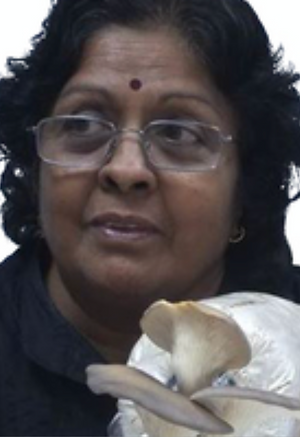
Dr Vikineswary Sabaratnam
Hon. Professor, Universiti Malaya & Co-Founder, Mushroom Research Association Malaysia
Prof. Vikineswary ventured into search, discovery and utilisation of indigenous microorganisms. She studied the potential of mushrooms and in particular, the white - rot fungi in environmental biotechnology. She worked with mushroom farmers. She is well known for the research on the systematic and bioactivity of marine actinomycetes, mushroom biology and their bioactive metabolites, phototrophic bacteria for bioremediation and as a live feed enhancer.
She collaborated with overseas scientists through CICHE, JSPS and EU programmes. She has published 265 papers in peer-reviewed journals, proceedings, bulletins, and chapters in books. In recognition of her contribution in microbiology and active participation as a member of the Malaysian Society for Microbiology she was elected as the first woman President of the Society in 2001. Whilst he is now retired, she remained a highly respected figure in funghi research.
Key topics:
Fungi, Biotech, Microbiology
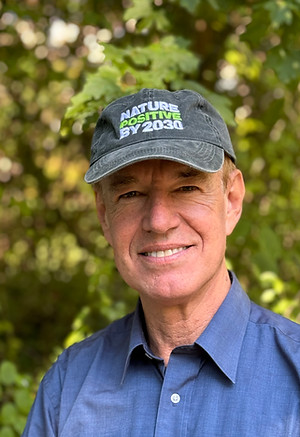
Marco Lambertini
Convenor, Nature Positive Initiative
Marco was WWF International Director General (2014-2022) and Special Envoy (2023). Marco’s experience and career ranges from ecological field research to high level advocacy and international policy, nature reserve management, integrated conservation and development projects, environmental education, NGO development, communications and campaigning.
Marco is member of the China Council (CCICED), the UNILEVER Sustainability Advisory Council, the Board of Directors for the Fondation Prince Albert II of Monaco, the Board of Directors of the MedFund, co-chair of the Nature Action 100 Science Council, a Distinguished Fellow of the Hoffmann Centre for Global Sustainability, and more.
Marco is also the lead author of the recently published book “Becoming Nature Positive: transitioning to a safe and just future” (2025, Earthscan Routledge, London).
Key topics:
International Policy, Nature Metrics, Nature Action

Dr. Faith Ka Shun CHAN
Professor, Head of School of Geographical Sciences, University of Nottingham Ningbo China
Dr Chan specialised in sustainable flood risk management, climate adaptation and urban resilience in Asian coastal megacities. He is currently funded by the Chinese National Research Council as principal investigator on the RFIS-international talents awarded project on sustainable urban flood risk management (RFIS II) and microplastics and their impacts on urban rivers (RFIS I), he is involved in two international research projects in the Blue-Green Cities Consortium funded by ESPRC and British Academy from the UK Research Council.
He is a Principal Investigator on three municipal-funded projects to investigate typhoon-enhanced flood risk and the development of a “Sponge City” pilot study in Ningbo. With more than 100 publications in top-tier journals such as Nature, Nature Reviews of Earth and Environment, One Earth, Nature Ecology and Evolution, Cell Reports Sustainability, and Climate Action.
Key topics:
Urban Flood Risk Management, Sponge Cities

Dr Vivien HOW
Assoc. Professor, Medicine and Health Sciences, UPM
Dr. Vivien How is an environmental and occupational health scientist at Universiti Putra Malaysia, specialising in chemical health risk, agricultural health, and climate-related health. Her research links pesticide exposure, soil degradation, and heat stress to the health and resilience of farming and Indigenous communities, comparing agroecological and conventional systems in the tropics.
A Certified Chemical Health Risk Assessor and Young Scientist with the Academy of Sciences Malaysia (ASM) and the ISC–UNDRR Integrated Research on Disaster Risk programme, she has been involved in work with the ILO on Just Transition and has built community health initiatives on the island of Sabah. She reframes agricultural and environmental hazards as entry points for Nature-Based Solutions, regenerative health, and institutional transformation.
Key topics:
Human Health, Health Sciences, Pesticide,
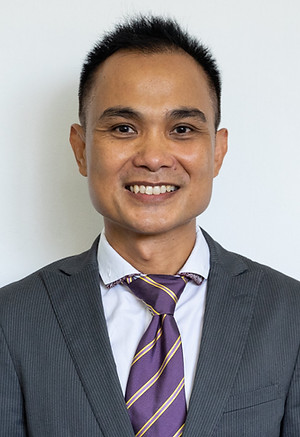
Dr Japareng Lalung
Assoc. Professor,
School of Industrial Technology, Universiti Sains Malaysia
Dr. Jap started his career as Water Resources Manager and Project Manager for Puncak Niaga Sdn. Bhd., monitoring the health of the Putrajaya Lake and Wetlands. Seeing a growing global need for better ways to manage water quality, he then earned a Master of Science at the University of Oxford and a Ph.D. at the University of Leeds.
His academic career began in controlling harmful blue-green algae in Malaysian drinking water. His lab found natural solutions, such as using oil palm trunks to stop harmful algae growth, which supports zero-waste farming and local farmers. His research also covers using microbes to clean up chemical pollution and looking for unique microscopic life in Antarctica alongside the British Antarctic Survey.
A core part of Dr. Jap’s career is his drive to teach the next generation. This passion naturally extends into his community work; for example, mangrove conservation with the Regional Centre of Expertise (RCE) Penang.
Key topics:
Bioremediation, Biochar, Sustainable Rice Intensification, Durian, Palm, Water Chemistry

Dr CHEE Su Yin
Senior Lecturer, School of Biological Sciences, University Sains Malaysia
Dr Chee's research focuses on integrating ecological function into coastal and marine infrastructure to address climate change, biodiversity loss, and environmental degradation. Her work includes the development of eco-concrete for tropical marine environments and frameworks for implementing biodiversity-sensitive design in coastal projects, bridging ecological science with engineering applications.
She has published over 40 works across journals, proceedings, policy briefs, and media, supported by international, national, and industry funding. She holds two copyrights in eco-engineering and NbS, an industrial design and two patents for eco-concrete, which has received a Gold Medal and a Special Award from the Haller Pro Invention Foundation, Poland.
She is also an active consultant and speaker, contributing to industry and policy dialogues on
climate adaptation and sustainable development.
Key topics:
Ecological Engineering, Coastal Conservation, Mangrove Ecology
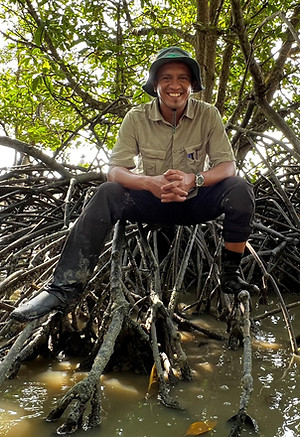
Dr A. Aldrie Amir
Assoc. Professor, Institute for Environment and Development, Universiti Kebangsaan Malaysia
Dr A. Aldrie Amir is an Associate Professor at the Institute for Environment and Development (LESTARI), Universiti Kebangsaan Malaysia. He is the Coordinator of the Malaysian Mangrove Research Alliance and Network (MyMangrove), and a Commission Member of the IUCN SSC Mangrove Specialist Group.
He obtained his PhD in Marine Science (Mangrove Ecology), from The University of Queensland, Australia in 2011. He has extensive experiences in studying mangrove ecosystems in Malaysia and around the Indo-West Pacific region, specialising in mangrove habitat dynamics with major interests on mangrove socio-ecological system, including conservation, management and governance of this signature ecosystem of the tropics.
Key topics:
Mangrove ecology, Mangrove management and conservation
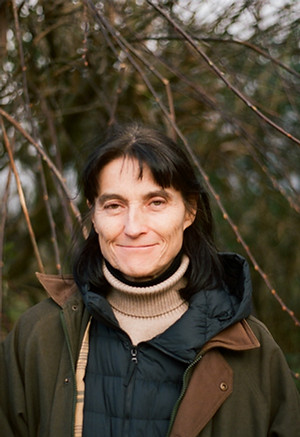
Fabia Bromovsky
Executive Director, Sustainable Food Trust
Fabia leads the team and oversees the strategic objectives of the Sustainable Food Trust, a charity working to accelerate the transition to food and farming systems that nourish the health of people and planet.
Fabia has been responsible for the development of the SFT’s Global Farm Metric – a holistic framework designed to establish a shared understanding of whole-farm sustainability and facilitate its measurement for businesses, farmers, financial institutions, and policymakers.
Key topics:
Sustainable Agriculture, Farm Sustainability

Dr Naima Iram
Senior Research Fellow , Centre for Nature-based Climate Solutions, National University of Singapore
Naima's uwork focuses on advancing blue carbon accounting in Asia, with particular attention to bridging scientific rigor with policy, practice, and climate‑resilient development pathways.
She works at the interface of research and implementation, supporting inclusive and regionally grounded approaches to nature‑based climate solutions.
Key topics:
Wetland Ecology, Blue Carbon, Carbon Budgets

Prof (R) Dr M. Hakimi Ibrahim
Ecopro Training Centre
Professor Mahamad Hakimi Ibrahim holds a Bachelor of Science (BSc) and Master of Science (MSc) from UMIST Manchester, and a PhD in Chemical Engineering from Universiti Kebangsaan Malaysia (UKM). He served as a lecturer in the Environmental Technology Division, School of Industrial Technology, Universiti Sains Malaysia from 1982 to 2020.
Currently, he is actively engaged at Ecopro Training Centre, Kampung Nesam, Perlis. In recent years, he has been involved in developing sustainable agroecology and permaculture training modules, promoting zero-waste ecosystem approaches, and advancing zakat-based economic models (zakat maal) for community resilience.
His work also includes hands-on training, community capacity building, and advisory roles integrating environmental engineering principles with grassroots agricultural practices.
Key topics:
Compost, Sustainable Waste Management, Sustainable Rice Intensification
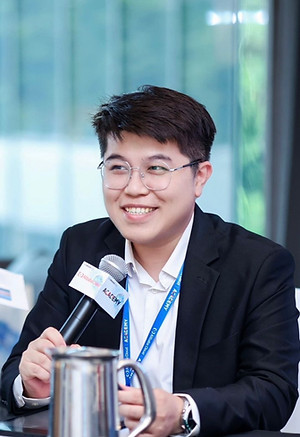
Dr FONG Chng Saun
Senior Lecturer & Head of Sustainability Transformation Sustainable Development Center, Universiti Malaya
Chng Saun's research focuses on urban heat island effects, air pollution, and climate resilience in tropical cities. He integrates geospatial analytics, environmental monitoring, and GHG emissions analysis to support carbon neutrality and sustainable urban transitions.
Dr. Fong leads interdisciplinary projects on urban climate risks, planetary health, and low-carbon development, and currently heads the Climate Change and Disaster Risk Reduction Research Interest Group under The Young Scientists Network-Academy of Sciences Malaysia.
Key topics:
Urban Heat Management, Microclimate, Urban Heat Island, Climate Change

Dr. Anushka Rege
Chief of Staff, Farmers for Forests, India
Anushka is a biodiversity and conservation scientist specializing in socio-environmental systems and nature financing. She is a Hoffmann Fellow alumna at the World Economic Forum with field experience from India, Indonesia and the Philippines. Her work bridges rigorous science and policy frameworks with on-ground implementation.
Key topics:
Nature Finance, Biodiversity Credits, Intersectional Impact

OOI Kiah Hui
Malaysia Country Representative, Earthworm Foundation
Kiah Hui represents a collaborative, ground-up approach to transforming global supply chains through scalable nature-based solutions. Having previously spearheaded the organisation's Southern Central Forest Spine (SCFS) landscape program, she now operates as a convener in key Malaysia's palm oil production regions, connecting brands, government agencies, producers, and smallholders to deploy regenerative agriculture, agroforestry, and ecosystem restoration.
Backed by a dedicated technical field team, Earthworm Foundation's landscape-scale initiatives across the SCFS and Sabah turn corporate sustainability commitments into context-specific, on-the-ground impact. By blending advanced technology with localised, community-led frameworks, Earthworm Foundation demonstrates how raw commodity supply chains can actively foster a positive future for both nature and people.
Key topics:
Supply Chain, Regenerative Agriculture, Oil Palm

Dr. Mohd Sapuan Salit
Professor, Faculty of Engineering, Universiti Putra Malaysia.
Dr Mohd Sapuan is a Fellow of Int' Society of Bionic Engineering, the World Academy of Sciences, SAE Int', Int' AI Industry Alliance, Academy of Sciences Malaysia, Int' Core Academy of Sciences and Humanities, International Society for Development & Sustainability, Plastic & Rubber Institute Malaysia, Malaysian Scientific Association and Institute of Materials Malaysia.
He is Founding Editor-in-Chief of Journal of Natural Fibre Polymer Composites. He published over 1019 journal papers, 75 books, and 270 chapters in book, and delivered 84 plenary and keynote lectures. He received ISESCO Science Award, Khwarizimi International Award, Professor of Eminence Award, Top Research Scientists’ Malaysia Award, SAE Subir Chowdhury Medal of Quality Leadership, International Society of Bionic Engineering Outstanding Contribution Award, The World Academy of Sciences Award, William Johnson International Gold Medal, Asian Scientist 100, and COMSTECH Best Scientific Book Award, and more.
Key topics:
Biocomposites, Kenaf, Palm
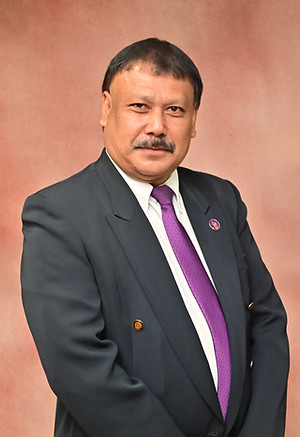
Dr Nor Azazi Zakaria
UNESCO Chair on Ecohydraulic for Sustainable Water Infrastructure for SDG 6 in Asia and the Pacific Region
Dato’ Profesor Dr Nor Azazi Zakaria is currently an Honorary Professor at Universiti Sains Malaysia, Vice President of the Malaysian National Committee on Irrigation and Drainage (MANCID), and former Vice Chairman of the Malaysian Stormwater Organization (MSO). He is the founder of the River Engineering and Urban Drainage Research Centre (REDAC), a Higher Institution Centre of Excellence in Sustainable Urban Stormwater Management.
He proposed the Bio-Ecological Drainage System (BIOECODS), an ecologically sustainable solution or nature-based solution (NbS) to solve the flooding and pollution problems using the "control at source" approach at the USM Engineering Campus, Penang. BIOECODS is the first national pilot project and can be seen as a prototype for the
development of new urban areas.
Key topics:
Urban Drainage, sustainable Urban Storm Management

Dr. Sarmila Muthu Krishnan
Senior Lecturer, Universiti Malaya
Dr Sarmila's work sits at the intersection of microbiology and sustainability. Her PhD in Microbial Biotechnology focused on the intricate chemical language of quorum sensing. As she delved deeper into the microbial world, she realized that scientific discovery must be rooted in real-world impact. This epiphany led her to pursue a second Master's in Sustainability Science, bridging her expertise in biotechnology with the urgent need for circular economies and safer food systems.
Today, Dr. Sarmila applies this unique blend of molecular insight and systems thinking to her research, which focuses on creating a circular economy through food safety, life-cycle assessments, and sustainable biotechnological policies. Her work is fueled by a powerful conviction that drives her teaching and research: "The greatest threat to our planet is the belief that someone else will save it." For Dr. Sarmila, saving the planet is not just a theoretical concept; it's a practical, scientific mission to build a safer, more sustainable food system from the ground up
Key topics:
Funghi, Mushroom, Microbiology

Captain Zakaria Kamantasha
Farmer & Educator of Sustainable Rice Intensification, Sri Lovely Farm
Biodata Coming Soon
Key topics:
Organic Farming, Sustainable Rice Intensification, Education

Dr YAP Kim Fay 叶锦辉
Dr Yap is the co-founder and President of the Malaysia Demeter Association, a Council Member of the Asia Biodynamic Council, and serves on the Membership Committee of the Biodynamic Federation Demeter International (BFDI). He is also a BFDI-recognised Biodynamic Advisor.
Professionally trained as a chartered accountant, Dr Yap's Fay Farm in Raub, Malaysia’s was the first Demeter-certified biodynamic farm and the world’s first Demeter-certified biodynamic durian farm. His work focuses on tropical biodynamic agriculture, ecological balance, and premium residue-free food production.
Dr Yap is a regular speaker on biodynamic farming, food integrity, and the future of environmentally conscious farming in Asia. Through his work, he advocates for an agricultural model that integrates ecological stewardship, long-term resilience, and responsible food production.
Key topics:
Tropical Biodynamic Farming, Durian, Farm Assurance

Frances LIM Chuu Fong
Organic Certification Auditor & Advisor, Earth Tag
Frances has extensive experience in organic standards development and farm verification. She participated in drafting and enhancing the Earth Tag Organic Standard to align with the IFOAM Family of Standards requirements. To date, she has consulted and audited more than 80 farmers, covering over 800 acres of agricultural land. Frances actively promotes organic systems and certification within the community.
She also serves as Chairperson of the Earth Tag PGS Committee, leading a community of over 170 members engaged in eco-nursery certification initiatives in Malaysia.
Passionate about nature, she advocates for toxin-free practices in agriculture and horticulture, striving to contribute towards a healthier, less toxic environment in Malaysia.
Key topics:
Organic Farm Assurance, Organic Farm Audit

Dr Muhammad Firdaus
Senior Lecturer School of Agriculture, Universiti Putra Malaysia
Dr. Muhammad Firdaus Sulaiman is a Senior Lecturer in the Faculty of Agriculture and a Research Associate at Universiti Putra Malaysia, Institute of Tropical
Agriculture and Food Security.
He holds a Ph.D. in Environmental Science from the
University of Guelph, Canada. His research focuses on soil carbon dynamics, greenhouse gases, and sustainable management in tropical agricultural systems.
Key topics:
Agroforestry, Biochar, Palm, Soil Biogeochemical
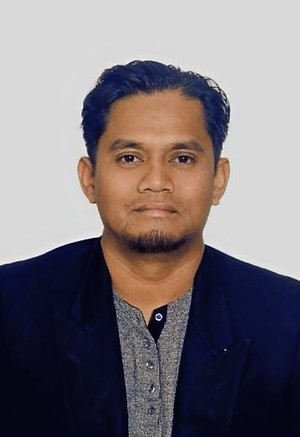
Nurfitri Amir Bin Muhammad
Head Coordinator, Malaysian Food Sovereignty Forum
Nurfitri Amir graduated from Universiti Sains Malaysia as a microbiologist in 2007 and started his career at the Veterinary Research Institute in Ipoh. He has been actively involved in civil societies on various sociocultural and socioeconomic issues. He is also the Secretary of the Malaysian Paddy Farmers Solidarity Association (PeSAWAH).
FKMM is a network comprising academics, professionals, NGOs, and associations of farmers, fishers, and livestock breeders. It is a discussion and action platform to strengthen food security and food sovereignty in Malaysia. FKMM promotes farmers' rights, agroecology-based agriculture, and the Community Seed Reserve Initiative (IRBK) - a seed-saving, sharing, and selling program.
Amir is also a documentary filmmaker.
Key topics:
Food Sovereignty, Seed Sovereignty

Suhaini Haron
Senior Director, Malaysia Forest Fund
Suhaini has spearheaded the development of Malaysia’s Forest Conservation Certificate (FCC) and the Forest Carbon Offset (FCO) protocols. She serves as a member in multiple technical working groups, including Malaysia’s Carbon Pricing Instrument (CPI) study, as well as the development of the Climate Change Bill (RUUPIN) and the National Carbon Market Policy (DPKK).
On the international front, Suhaini serves as one of Malaysia’s negotiators and is currently the national focal point for Article 6.8 of the Paris Agreement under the
UNFCCC. She is also a member of the Working Group 4 under the Committee on Aviation Environmental Protection (CAEP), a technical committee of the ICAO Council, for Carbon Offset and Reduction Scheme for International Aviation (CORSIA).
Key topics:
Green Carbon, Forest Conservation Certificate, Tropical Forest

QUEK Karl Yen
Regional Director - Asia, Earthworm Foundation
Driven by a lifelong passion for conservation, Karl joined Earthworm Foundation (EF) in 2011 as one of the first Malaysian staff anchoring a major sustainability transformation in the palm oil sector through a pioneering partnership with Nestlé. Over the past 15 years, he led EF’s regional team to support upstream and downstream value chains in institutionalizing No Deforestation, No Peat, and No Exploitation (NDPE) policies.
Under his leadership, EF drives impactful landscape transformation through multi-stakeholder engagement, mediation, field assessments, and capacity building. Karl works closely with leading plantation companies, multinational brands, and government bodies to tackle deep-rooted environmental and social challenges, building resilient, regenerative commodity supply chains across the region.
Key topics:
Supply Chain, Regenerative Agriculture, Oil Palm

Oliver Truesdale-Jutras
Culinary Director, Desa Potato Head Bali and Founding Member, Singapore F&B Sustainability Council
Oliver spent over two decades working where food, place, and ecology meet. His career moved across N. America, Australia, Europe, and S.E. Asia, always asking how food systems can do more than feed people. He helped build one of the city's first urban farm programs, Open Farm Community in Singapore, putting the restaurant at the front of its farm-to-table movement.
Most recently, he ran Re:Growth Regenerative Hospitality, a consultancy working with hotels, restaurants, and institutions across ASEAN to rethink food and beverage through regenerative principles. His work has been recognised by the World Gourmet Summit Sustainability Award, a Michelin Plate, and the Eat Local SG Green Label. He also co-chaired the Singapore F&B Sustainability Council.
Key topics:
Regenerative Sourcing, Farming Transition, Hospitality

Ganesh Kumar
Chairman, Woodlands Botanical Garden, Singapore
What began in 2020 as a deeply personal act of healing—planting a single hibiscus in memory of his late mother—has since transformed into one of Singapore’s largest community gardens, spanning a lush hillside and home to hundreds of plant and animal species.
More than just a green space, the garden has evolved into a vibrant hub for biodiversity, creativity, and social connection, where butterflies, birds and people coexist in a shared ecosystem. Rooted in resilience and “kampung spirit,” it offers a place of solace, learning and belonging, hosting community events, workshops and collaborations that bring together people from all walks of life.
Today, the Woodlands Botanical Garden stands as a living testament to how nature, when nurtured with purpose, can heal individuals while strengthening the fabric of a community.
Key topics:
Community Shared Garden, Urban Resilience, Urban Biodiversity

Dr SHE Nian 佘年
Professor, Tsinghua University Innovation Center in Zhuhai 清华大学珠海深圳研究院创新中心
Dr. She Nian is a globally recognised leader in sustainable water management. After earning his Ph.D. in Ecology from the Uni. of Washington he made significant contributions to urban stormwater management and low-impact development and won accolades such as the American Society of Landscape Architects Design Award and the NOVATECH Award and was appointed an expert on nature-based solutions by the United Nations.
Dr. She has led numerous award-winning projects, including the Kunshan Huaqiao Business City Waterfront Filtration System, Ningbo Eastern Ecological New City, and the Zhenjiang City Old Community Sponge Project in China. He is now creating a bioremediation product that harnesses microbial symbioses to make aquaculture people- and nature-friendly.
Key topics:
Wetland Restoration, Regenerative Aquaculture, Ecological New City

Dianne & Ian Haggerty
Farmers, Natural Intelligence Farming
Winner of Australian WA of Year Award, Dianne and Ian pioneered farming practice focusing on supporting diverse microbiomes in soil, plant, and animals – boosting immune system function, nutrient diversity and resilience.
Trust and appreciation in the wisdom of natural systems enable them to replace synthetic fertilisers with natural fertility processes, such as plant diversity, compost extract, worm liquids and the microbiome of ruminant livestock. In very dry and poor soil conditions, they’ve pioneered a farming approach that optimises water use and rebuilds soils, biodiversity and landscape function.
Working with 27,000 hectares, Dianne and Ian have demonstrated nature-farm viability at scale.
Key topics:
Microbiomes, Soil Health, Regenerative Agriculture

Tony YU 俞宏晋
CEO, Turenscape 土人设计集团
Tony carries forward the legacy of his father, Professor Kongjian Yu - a pioneer of China’s ecological civilization and a global thought leader in nature-based, water-adaptive urbanism. Tony is guiding Turenscape into a new era where AI and ecological wisdom converge to shape the future of climate-resilient cities and landscapes.
Tony’s background spans robotics, computer vision, and machine learning. He is pioneering the use of AI in landscape architecture - developing intelligent tools for rapid design iteration, ecological simulation, participatory planning, and climate-adaptive decision-making. His vision is to make Sponge City and Sponge Planet design accessible to all, enabling citizens, designers, students, and governments to collaboratively build water-adaptive, nature-based urban landscapes through AI-driven Platforms.
Under Tony’s leadership, Turenscape continues its global mission to restore degraded ecosystems, revive water cycles, and advance nature-based solutions as core strategies for climate adaptation.
Key topics:
AI, Nature-based Urban Landscape, Sponge Cities
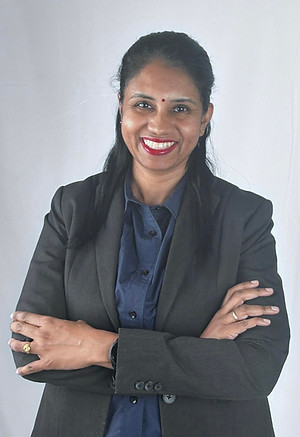
Dr Jeyanny Vijayanathan
Senior Research Officer, Forest Research Institute Malaysia
Jeyanny is the Head of Soil Management Branch and leads the Soil Chemistry Laboratory of FRIM. She is a local and international expert in environmental soil science, sustainable soil management in forestry and agriculture, carbon stocks and fluxes in the natural and plantation
ecosystems and revolutionising new approaches in enhancing degraded environments such as NbS, remediation of soil pollution and promoting precision nutrient management.
.
She is the current Vice- Chair of Intergovernmental Technical Panel on Soils under the Food and Agriculture Organization, Titular member of the Committee on Chemistry & Industry for International Union of Pure and Applied Sciences, the Scientific Advisory Member for the East Asia Acid Deposition Network, a certified environmental professional with the Department of Environment and appointed as the Lead Author for the Intergovernmental Panel on Climate Change Assessment Report 7.
Key topics:
Soil Health, Sustainable Forestry, Sustainable Farming
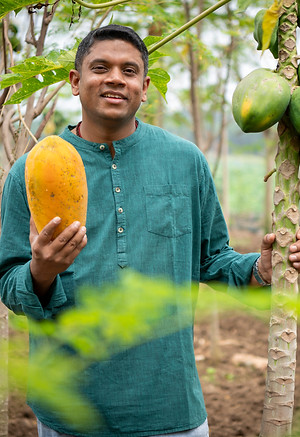
Anand Ethirajalu
Project Director, Save Soil India
Anand’s journey began at the age of 14 when he started regenerative farming single-handedly on his family’s land in Tamil Nadu. Under the guidance of Sadhguru, his early hands-on experience evolved into a mission to enable large-scale transformation for farmers in the region.
Over the past two decades, Anand has played a central role in building one of India’s most comprehensive farmer-support ecosystems—spanning trainings, on-farm consultations, helplines, peer networks, and digital platforms. This has enabled the planting of 128 million trees and supported the transition of 248,000+ farmers to agroforestry and 9,700+ farmers to regenerative agriculture.
Today, as part of the global Save Soil movement, Anand represents grassroots farmer realities at international platforms, including multiple United Nations Climate and Desertification COPs, bridging lived experience with policy and systems change.
Key topics:
Regenerative Agriculture, Farmer-Support, Peer Network

Dr. Yogeswary Chellapan
Senior Manager and Interim Lead for Climate Resilience, Think City
Dr. Yogi Chellappan supports and leads climate resilience programmes, focusing on nature-based solutions (NbS) and urban adaptation. Her work integrates public health, social inclusion-including vulnerable communities-and climate resilience into urban planning. She contributes to strengthening impact tracking and learning systems to support evidence-based decision-making and programme delivery. With experience leading complex projects
across the Africa region at WorldFish, and earlier work in the arts and culture sector managing creative
initiatives in performing and visual arts, she brings a multidisciplinary approach to advancing systems change, institutional capacity, and stakeholder collaboration.
Key topics:
Climate Resilience, Community Engagement, City Heritage Planning

V. Thiru Valluvan
Farmer, Save Soil India
A former engineer turned to regenerative agriculture after acquiring 11-hectare farm for conventional coconut cultivation after observing declining soil fertility and rising input costs, Thiru developed a multi-layered agroforestry system integrating coconuts, timber species, fruit trees, spices, and intercrops. He emphasises soil regeneration, biodiversity enhancement, rainwater harvesting, mulching, and the use of organic bio-inputs. Through these practices, soil organic carbon on his farm improved from +- 0.52% to over 3.36% - restoring soil fertility and water retention. Coconut yields increased 100 to 160 nuts per tree, while diversified crops such as pepper, turmeric, bananas, and spices provide stable and resilient income.
Thiru was awarded Soil Health Guardian Award in 2024 by United Nations Food and Agriculture Organization (FAO) and spotlighted in the The UN Convention to Combat Desertification (UNCCD) World Overview of Conservation Approaches and Technologies global database as a successful land restoration and regenerative agriculture practice.
Key topics:
Regenerative Agriculture, Soil Fertility, Coconut
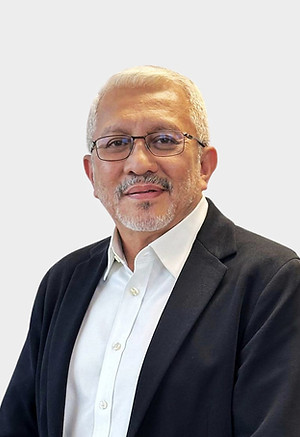
Dato Shah Redza Hussein
CEO of Kayan International Inc.
Shah Redza is an economist-turned-conservationist with nearly 30 years of experience in nature conservation, sustainable development, and environmental protection.
He has held a number of leadership roles, including being the Executive Director of the Malaysian Nature Society, Director of Perak State Parks Corporation, where he led the establishment of Malaysia’s first royal tiger reserve, and more recently the CEO of the Malaysia Forest Fund. The WWF awarded him the 2020 Global Winner of the Dr Rimington Award for Tiger Conservation. He was appointed to the International Executive Committee of Conservation Assured Tiger Standard. He is also a Fellow of the Faculty of Science, University Putra Malaysia and sits on the board of the Perak State Parks Corporation and is a member of the IUCN-World Commission on Protected Areas.
He focuses on nature-based solutions, innovative financing, and community-led conservation across Southeast Asia and Oceania.
Key topics:
Biodiversity, Ecosystem Conservation
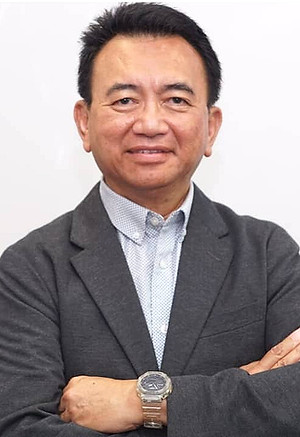
Dr Mazlin Bin Mokhtar
Professor Emeritus & Deputy Head for Research, UN Sustainable Development Solutions Network Asia, Sunway University
Dato' Dr Mazlin is an environmental scientist whose academic foundation in environmental analytical chemistry evolved into a distinguished career advancing sustainability in academia, public and private sectors. He is also the Co-Chair of the Science Panel for Borneo and serves in various board and advisory roles, including advising the Ministry for Investment, Trade and Industry through Tourism Productivity Nexus initiatives on ecotourism, the Sime Darby Chair on Sustainable Development, the Ministry of Higher Education, and participation in the SDSN Malaysia Leadership Council.
He held several key positions in environmental governance and led major sustainability initiatives, including Malaysia’s Water Sector Transformation 2040, served as Chair of WWF Malaysia’s Conservation Committee, etc, while serving 37 years at Universiti Kebangsaan Malaysia in senior leadership roles.
Key topics:
Constructed Wetlands, Borneo, Intersectoral Collaboration

Edward Vrkić
United Nations Development Programme (UNDP) Resident Representative to Malaysia, Singapore and Brunei Darussalam
Biodata Coming Soon
Key topics:
Sustainable Development Goals, Strategic Partnerships
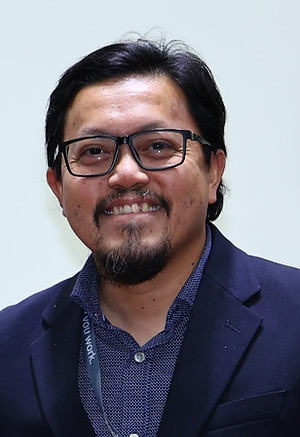
Ir. Dr Azim Rahman
Chief Technology Officer, R&D Center, Sunon Global
With extensive global experience across Asia, Europe, and the United States, Dr. Azim drives innovation in workplace solutions, integrating ergonomics, smart systems, and sustainable design. He has led advanced engineering and product development initiatives in the furniture and industrial sectors, including prior roles at Steelcase, Shimano and Sony.
He holds a doctorate specialising in plastics and advanced composite materials, with deep expertise in material performance, lightweight structures, and circular design strategies. His work focuses on human-centered design, adaptive systems, and the
development of intelligent, sustainable workplace environments.
He is also the Adjunct Professor at University Technology Petronas under Mechanical Engineering Department.
Key topics:
Biocomposite, R&D, Furniture, Manufacturing

Dr Rajib Shaw
Professor, Graduate School of Media & Governance, Keio University, Japan 慶應義塾大学
Rajib is the IPCC CLA for Asia Chapter of Working Group 2 for 6th Assessment Report. His specialisation is disaster risk governance, urban resilience, climate change adaptation and emerging technologies in disaster and climate change. He is the recipient of Pravasi Bhartiya Samman Award of 2021 in the Education Sector from the President of India. He also received UN Sasakawa Award for disaster risk reduction as a lifetime achievement and for his contribution to global disaster resilience initiatives in 2022.
Rajib is also the is co-founder of a Delhi-based social entrepreneur startup, Resilience Innovation Knowledge Academy (RIKA), and is the chair of UN Asia Pacific Science Technology Advisory Group (AP-STAG) for disaster risk reduction. He published 86 books and over 450 research papers. His scholarly influence is reflected by over 31,000 citations and an H-index of 81 on Google Scholar, underscoring his global leadership in disaster resilience and sustainability studies.
Key topics:
Climate Disaster Resilience, Sustainability Studies

Dr Rosazlin Abdullah
Dr. Rosazlin Abdullah is a lecturer at the Institute of Biological Sciences, Universiti Malaya, with over 18 years of experience in national and international agro-environmental projects.
Her expertise lies in sustainable soil management, addressing key challenges in agriculture and
climate resilience. She serves as President of the Malaysian Society of Soil Science, National Focal Point for the Global Soil Partnership, Technical Committee member of CESRA, and committee member of Biochar Malaysia Association. She has published over 70 peer-reviewed articles with a Scopus H index of 22 and received the Best Women Inventor Award at ITEX 2024.
She actively promotes the Soil Doctor Programme among youth, empowering communities in soil health and sustainable agriculture.
Key topics:
Biochar, Soil Health,Climate Smart Agriculture

Cherie TAN
Strategic Partnership Advisor, Kaleka
Cherie brings over 25 years of experience driving sustainability initiatives across diverse sectors to Kaleka, non-profit organization that strives towards the sustainable management of Indonesia’s landscapes and seascapes for the benefit of local and indigenous communities. Kaleka’s thematic strengths are in the areas of sustainable sourcing, conservation and restoration, agri-food systems, community development and environmental and social governance.
A systems thinker, Cherie focuses on regenerative agriculture, climate adaptation, and forging public-private partnerships. Cherie’s career spans leadership roles at Bayer, Asia Pacific Rayon (APR), Unilever, WWF International, Rabobank, and Mennonite Economic Development Associates (MEDA), with deep experience in field implementation, corporate engagements, and managing multi-stakeholder relationships. Passionate about building resilient food systems, Cherie leverages her extensive network and strategic insights to deliver meaningful impact.
Key topics:
Agrifood Supply-Chain, Sustainable Sourcing

Dr Daniel Murdiyarso
Professor of Atmospheric Science, Institut Pertanian Bogor
Daniel holds a position of Principal Scientist at the Centre for International Forestry Research - World Agroforestry (CIFOR-ICRAF) and President of Indonesian Academy of Sciences (AIPI) for the period of 2023-2028; and has more than 150 scientific articles published in peer-reviewed journals on climate change mitigation and adaptation, land-use change, global environmental policy, and wetlands ecology.
The awards he received include Doctor Honoris Causa from the University of Helsinki, Finland, in 2022; The Habibie Prize 2020; Achmad Bakrie Award of Science for Scientific Achievement and Promotion on Science-Policy Dialogues, in 2010; The Sarwono Award, and the Nobel Peace Prize Winning IPCC as Lead Author of IPCC Reports in 2007. Daniel also served the Government of Indonesia as the Deputy Minister of Environment (2000-2002) and the National Focal Point of the UNFCCC and CBD.
Key topics:
Blue Carbon, Mangrove, Wetland Ecology

Michael Simon
Farmer & Entrepreneur, Homegrown Farms
Biodata Coming Soon
Key topics:
Organic Farming, Farm-to-Table, Farm Shop

Dr Catherine CHONG
Director, NbS Regeneration
Catherine is a climate economist and advisor in corporate ecological, social, governance (ESG). She has held advisory and management positions in the financial and consumer goods sectors. Her experience includes managing global responsible and impact funds and developing national and global sustainability accounting and reporting standards.
She is also an agroecologist, working with 50+ NGOs representing animal welfare, biodiversity, food security and sovereignty, human health, landworkers rights, and more, lobbying for food system transparency regulations and policies that support all stakeholders to transition to agroecology. In the UK, she is a steering member of the Department ofor Environment, Food & Rural Affairs' Food Data Transparency Partnership Eco-Working Group and the British Standards Institution's Data Driven Agrifood Systems Working Group.
Key topics:
Agroecology, Green Accounting, Socioecological Outcomes, System Accountability & Transparency

Supun Nigamuni
Managing Director, Control Union Malaysia
Supun is responsible for Malaysian and Papua New Guinea operations for Control Union. He is a member of the Regional Management Team for APAC, member of GSLT Certifications and also chairs the global expert team for Control Union overseeing the certification activities related to Forestry, Palm, Sugar, Soy, Rubber and Tourism.
Supun is a senior auditor in Forest Management, Chain of Custody, RSPO P&C and SCC, ISO 14001, ISO 50001, GHG assessments, ESG assurance and other environmental and social programs across many sectors over the last 15 years.
Formerly responsible in managing Forest Stewardship Council (FSC), Roundtable on Sustainable Palm Oil (RSPO), Energy Management Systems (ISO 50001) certification activities for Control Union Certifications worldwide, and also Environmental Services for the Asian region.
Key topics:
Organic Inputs
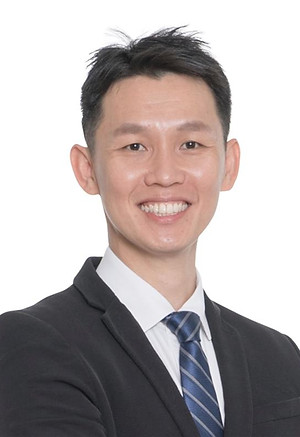
Dr Jason LEE Kai Wei
Director, Heat Resilience and Performance Centre, Yong Loo Lin School of Medicine, National University of Singapore
Jason studies the physiological demands associated with passive and exertional heat stress and how humans adapt to ensure optimum performance and survival. Jason was the past chair for the Scientific Committee on Thermal Factors at the International Commission on Occupational Health (2018 to 2024). He currently co-chairs the Heat Injury Clinical Practice Guidelines at the Ministry of Health, Singapore.
He is on the management committee at the WHO-WMO Global Heat Health Information Network (GHHIN) and leads the GHHIN Southeast Asia Hub to scale up efforts in managing the complex health risks posed by rising ambient temperatures.
Jason also serves on the Technology Advisory Panel for Temasek Trust and the Expert Advisory Group for the Rockefeller Foundation.
Key topics:
Human Heat Resilience Planning, Community Cooling Strategies
Dr TAN Boon Chin
Assoc. Professor & Director of the Centre for Research in Biotechnology for Agriculture, University of Malaya
Biodata Coming Soon
Key topics:
Biostimulants, Sustainable Agriculture, Biotech

Hii Ning
Kongsi Co-Op
Biodata Coming Soon
Key topics:
Organic Inputs
Don PAN
Biodata Coming Soon
Key topics:
AI, Biotech, Biological Databank, Access and Benefit Sharing
Hans Leong
Organic Input, Baba Eco Group
Biodata Coming Soon
Key topics:
Organic Inputs
Will Goldfarb
Pastry Chef & Restaurateur, Room for Dessert
Biodata Coming Soon
Key topics:
Farm to Table, Agroecology
Session Line Up
at NbS Asia Summit 2026
See the full programme.
The Summit opens with clear messages around ecosystem health across different scales and across biological, biogeochemical and physical
contexts, from farm-level soil health to wider planetary health and progressed to practical applications for transitioning to various nature-positive systems, through innovative and indigenous nature-based solutions intersecting Agriculture, Architecture, Biotechnology, Engineering, Landscaping, Waste Management, Manufacturing, Public Health, and more.
Be ready to join this journey.
 |  |  |
|---|---|---|
 |  |  |
 |
More speakers profiles to come.
Join the Growing NbS Communities
to Co-Create a Nature-Positive Economy for Asia
Tickets Now Launched. Get Your Early-Bird Discount. Limited Tickets Available.
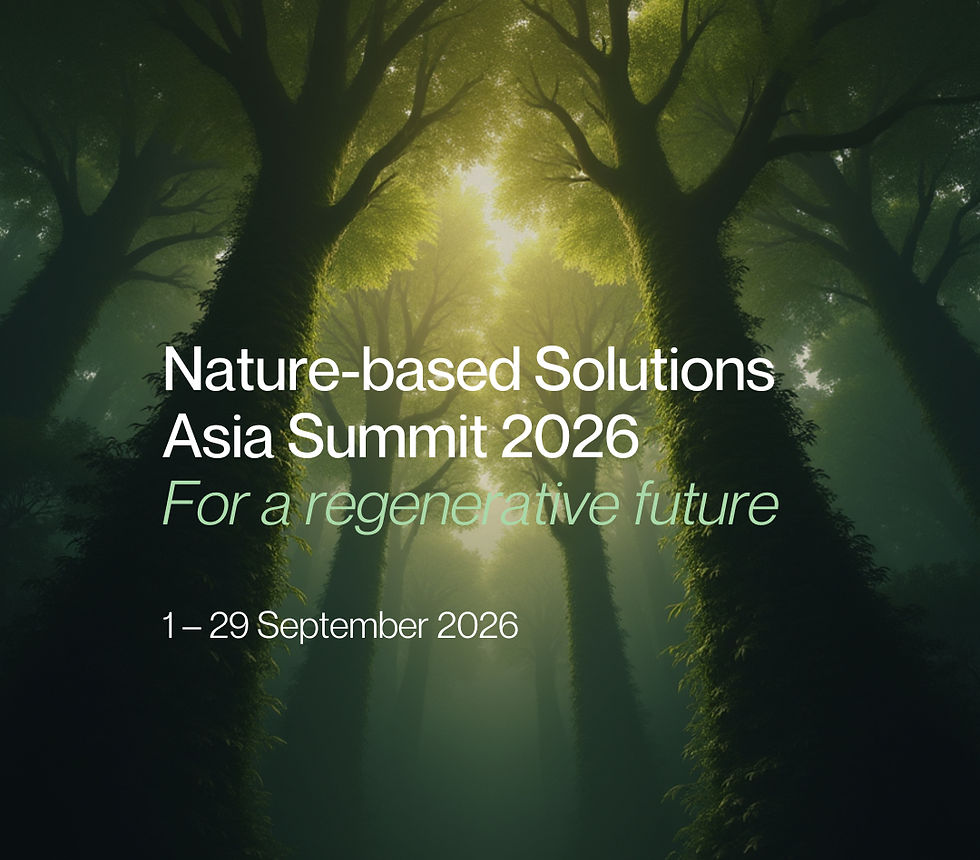 Early Bird + Value Pass DiscountTue, 01 SeptJoin NbS Experts across different disciplines and sectors for Change, Disruption, and Redesign. Come to Co-Create Nature- and People- Positive Economies.
 269 days to the eventTue, 13 JulJoin NbS Experts across different disciplines and sectors for 3 days of Change, Disruption, and Redesign. Come to Co-Create Nature- and People- Positive Economies. Enjoy RM550 discount when buying 3-Day Pass.
 Early Bird Discount269 days to the eventTue, 13 JulNBS Asia Summit 2027 kicks off by grounding the Summit in the voices of farmers, entrepreneurs, scientists, and NGOs, dedicating their life aspirations and expertise in nature-centric agriculture, cultivating ecosystem health, community resilience, and financial adaptability, from the soil up.
 Early Bird Discount270 days to the eventWed, 14 JulDiscover the driving forces behind cross-disciplinary collaboration, connecting farmers with architecture, biotech, disaster risk management, engineering, forestry, finance, urban planning, and more, to shape a socioecologically adaptive future for Asia.
Want to join experts and leaders across Asia in the Plenary and Seminar Sessions, host a Talk, and Support Smallholding Farmers and Local Stewards to attend the Summit?
Join us as a Partner at
#NBSASIASUMMIT
Amplify Your Voice,
Shape the Conversation, Inspire Collective Actions
Secure plenary talks, host & lead engagement sessions to share your vision, influence key agendas, and catalyse the ‘unlikely but needed’ partnerships.